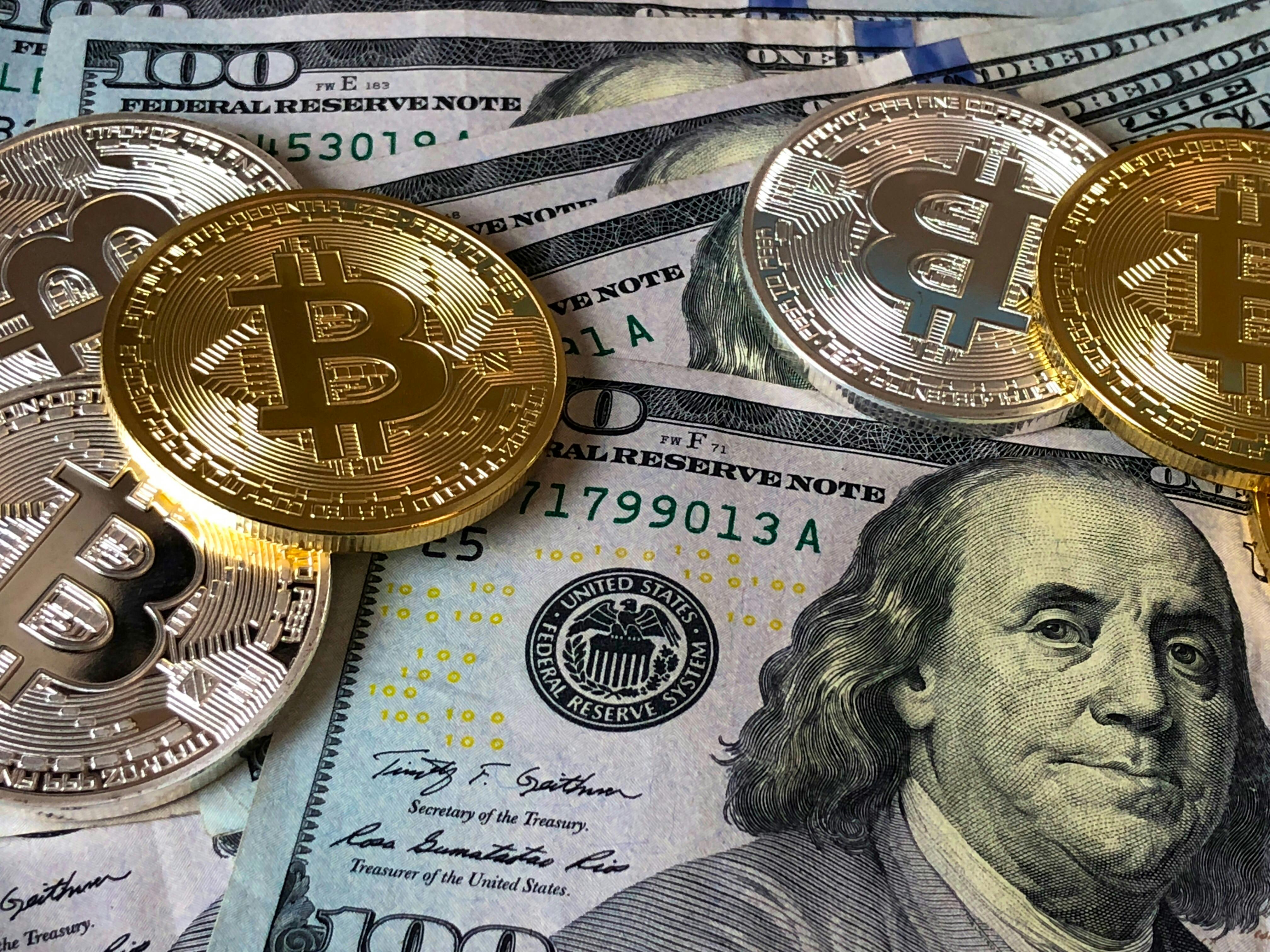
Crypto vs. Cash: What Homebuyers Need to Know
Crypto vs. Cash: What Homebuyers Need to Know

The real estate industry has always evolved with the financial landscape — from cheques to online transfers, and now, cryptocurrencies entering the market. In recent years, the rise of digital assets like Bitcoin and Ethereum has opened a new conversation: Can you really buy a home with crypto? The answer is yes — but it’s not as straightforward as paying in cash.
If you’re planning to purchase property soon or you're simply curious about how crypto stacks up against traditional cash payments, here’s a breakdown of what every homebuyer needs to know.

Crypto in Real Estate: A Growing Trend
A decade ago, buying a house with Bitcoin sounded like fiction. Today, several sellers and developers are open to crypto transactions. Some accept crypto directly, while others convert it to cash during settlement. Although adoption varies by location and broker, crypto is slowly gaining ground as an alternative payment method in real estate.
It offers speed, global reach, and, for many investors, an opportunity to cash out gains without going through multiple banking steps. But with innovation comes complexity — especially in a market regulated as tightly as property.

Cash: The Traditional, Reliable Route
Cash is still king when it comes to real estate. Whether it’s literal funds or payment via bank transfer, cash purchases come with clear legal frameworks, well-established processes, and less volatility. Lenders, agents, and regulators are familiar with it — which means less paperwork, fewer questions, and a smoother closing timeline.
Most homebuyers still rely on cash (or a mortgage loan) because it guarantees stability, predictable valuation, and straightforward taxation.

Crypto vs. Cash — The Key Differences
Crypto
FACTORS
Volatility- Highly volatile — price can swing during negotiations
Speed- Fast transfers, no banking hours
Global Access- Anyone with a wallet can pay internationally
Regulation- Less standardized, varies by region
Tax Implications- Often treated as an asset sale → capital gains tax
Mortgage- Rare — lenders rarely accept crypto as income
Compatibility
Cash
FACTORS
Volatility- Stable and predictable
Speed- Fast transfers, no banking hours Bank processing may take time
Global Access- Currency exchange & banking rules apply
Regulation- Fully regulated and widely accepted
Tax Implications- Standard property taxes apply
Mortgage- Mortgage-friendly
Compatibility

The Risks of Paying with Crypto
Market fluctuations could change the value of your offer overnight. A dip could mean paying more out of your pocket than planned.
Tax liabilities can surprise buyers — converting crypto to fiat is typically a taxable event.
Not all sellers or banks accept crypto, and legal guidance is crucial to avoid compliance issues.
If you plan to use crypto for a purchase, professional advice from a tax accountant and real estate attorney is non-negotiable.
Why Some Buyers Still Prefer Crypto
For investors who accumulated crypto early, property offers a chance to diversify into a stable asset. Crypto transactions may benefit:
buyers who want faster settlement
international buyers avoiding cross-border banking delays
investors using crypto gains strategically
It’s modern, bold, and signals the future — but it needs planning.

So Which is Better?
There’s no universal winner.
Crypto brings innovation and speed, but also volatility and complexity. Cash remains the safest, smoothest method — especially for first-time buyers.
If real estate is your next big move, think about your financial comfort level, the market climate, and whether you can navigate the tax and legal layers involved. The safest approach? Use crypto strategically — perhaps to convert portions into cash for your down payment — while avoiding the risk of market swings during closing.
Final Thoughts
The future of real estate payments may blend both worlds. As crypto adoption grows, property transactions could become more flexible, digital, and borderless. But for now, crypto is an option for the aware and prepared — cash is the way for those who want stability.
Whichever path you choose, do your homework, work with professionals, and make sure your investment today supports your vision for tomorrow.